Sudan
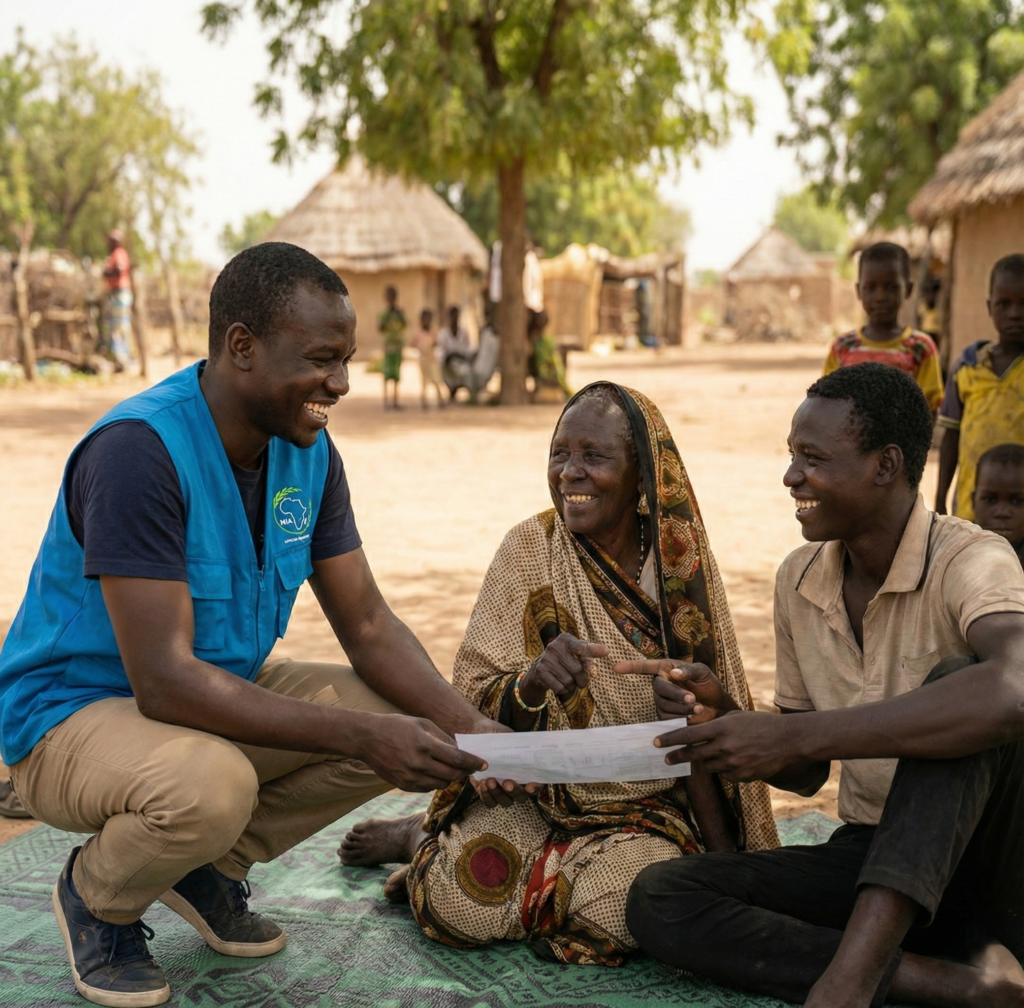
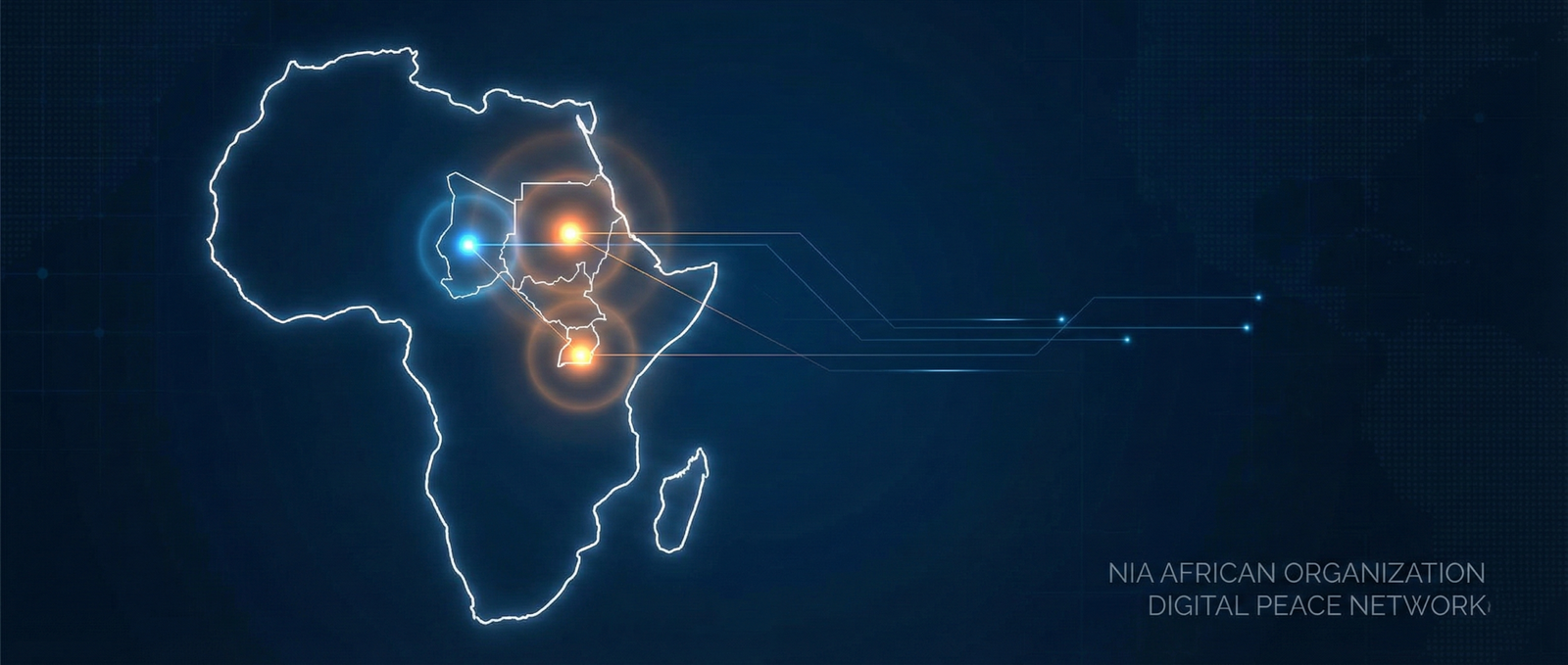
In Sudan, Nia African Organization focuses on strengthening community resilience amid ongoing conflict and large-scale displacement. Our work integrates peacebuilding, essential service support, and community empowerment to reach the most affected populations.
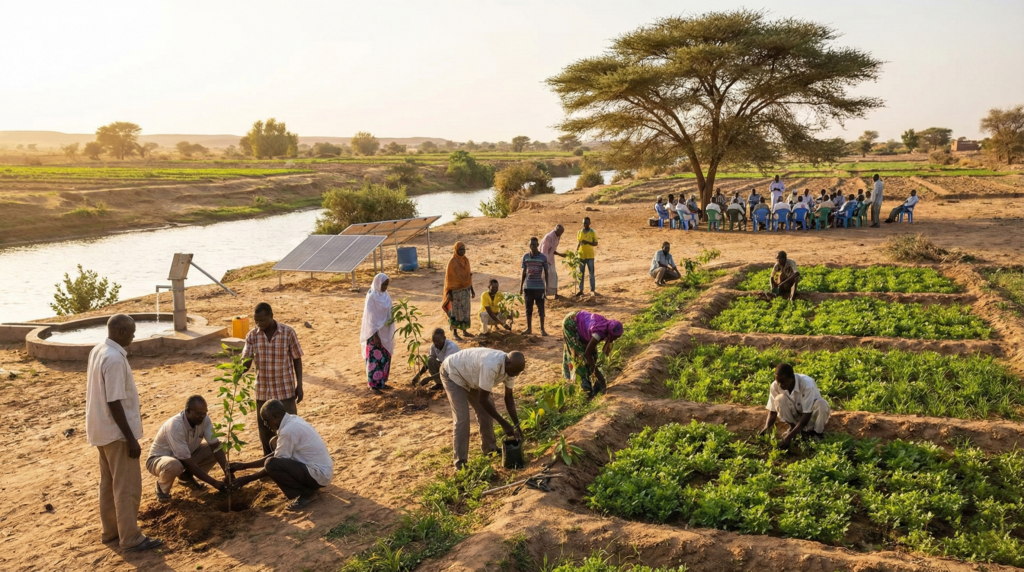
The Environment and Development pillar is one of our key priorities in Sudan. The organization supports natural resource management, promotes environmental sustainability, and strengthens food security as a core component of rural resilience. This includes supporting farmers, improving agricultural practices, and enhancing livelihoods in the face of climate and humanitarian challenges.
Alongside these efforts, our peace programs foster dialogue and social cohesion, expand access to health and education services, and empower youth and women to lead change during this critical period.
Uganda
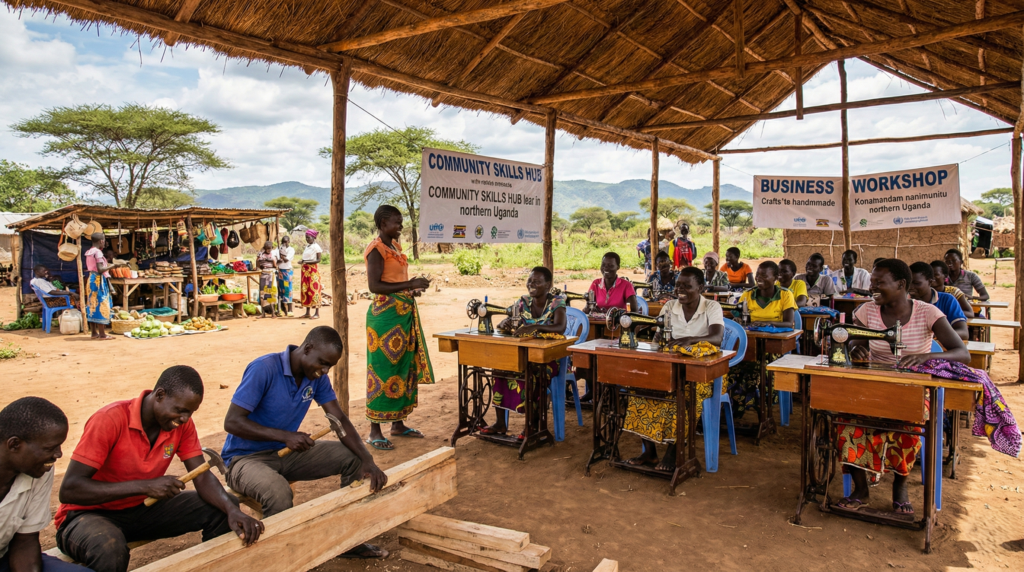
In Uganda, Nia African Organization works within a major refugee-hosting context, focusing on strengthening the self-reliance of displaced communities and host populations. Our programs combine economic empowerment, essential service support, and community-driven development to enhance stability and inclusion.
The Environment and Development pillar informs our work through livelihood support, climate-resilient practices, and improved access to sustainable economic opportunities for refugees. This includes skills training, entrepreneurship support, and expanding income-generating activities that foster long-term resilience.
In parallel, our peace programs promote social cohesion between refugees and host communities, while health and education initiatives improve access to critical services and empower youth and women to actively participate in building stronger and more resilient communities.
Chad
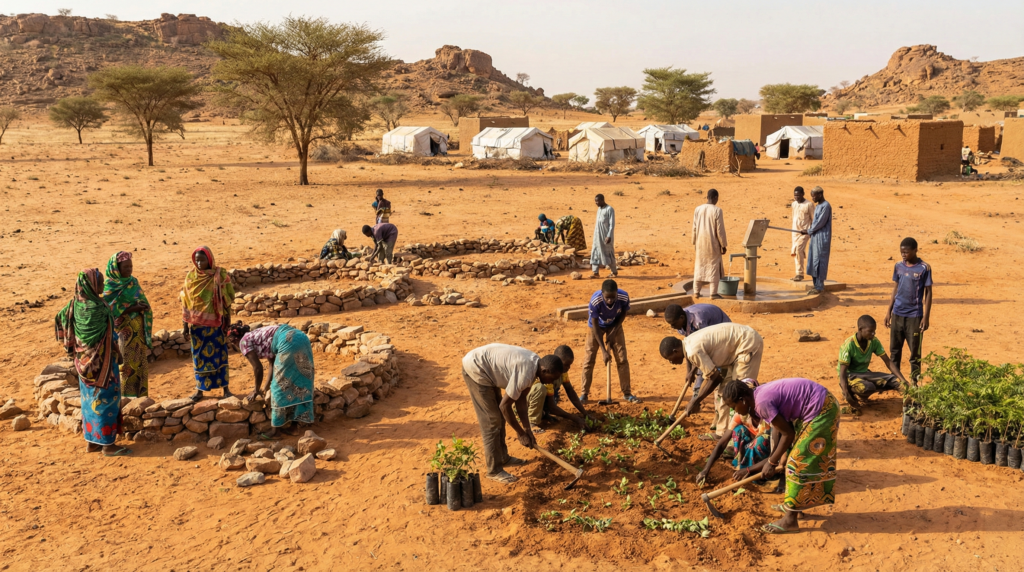
In Chad, Nia African Organization operates in a context marked by displacement, limited basic services, and pressure on local resources. Our work focuses on strengthening community resilience through peacebuilding, service support, and inclusive development for vulnerable groups.
The Environment and Development pillar is central to our engagement in Chad. The organization promotes sustainable resource management, supports climate-resilient livelihoods, and enhances food security in rural and displacement-affected areas. This includes assisting farmers, advancing improved agricultural techniques, and supporting communities facing environmental and economic stress.
Together with these efforts, our peace programs encourage dialogue and coexistence among diverse communities, while our health and education initiatives aim to expand access to essential services. Youth and women empowerment remains a cross-cutting commitment, enabling communities to lead local development and reinforce long-term stability.